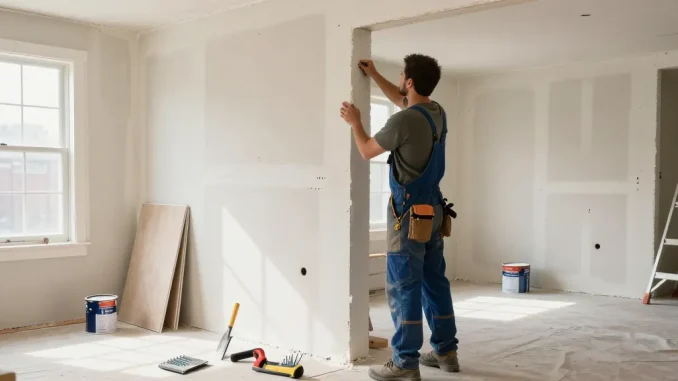
The Importance of Hiring a Professional Drywall Contractor
When embarking on a renovation project, one might be tempted to take on all tasks, including drywall installation, themselves. However, hiring a professional Drywall contractor toronto can save you time, ensure quality workmanship, and prevent costly mistakes. This article will explore the critical advantages of professional drywall installation, the common pitfalls homeowners encounter, and how to select the right contractor for your needs.
Benefits of Professional Installation
Engaging a professional drywall contractor comes with numerous benefits:
- Expertise and Experience: Professionals have extensive training and experience in drywall installation. They understand the nuances of the materials and techniques needed for optimal results.
- Quality Assurance: A professional contractor is committed to delivering high-quality work. They use industry-standard practices and equipment to ensure durability and aesthetics.
- Time Efficiency: With a skilled crew, the work can be completed more quickly than an inexperienced DIY approach, allowing you to enjoy your renovated space sooner.
- Permit and Code Compliance: Professional contractors are well-versed in local building codes and regulations, ensuring that your project adheres to all legal requirements.
- Less Stress: Hiring a contractor eliminates the pressure of managing the project yourself, allowing you to focus on other aspects of your renovation.
Common Mistakes Homeowners Make
Many homeowners, eager to save money, undertake drywall projects without understanding the intricacies involved. Here are some frequent mistakes to avoid:
- Inadequate Preparation: Failing to prepare the wall surface can lead to issues like mold, uneven surfaces, and compromised adhesion.
- Poor Material Choices: Not all drywall is created equal. Using the wrong type for specific areas, such as moisture-resistant drywall in bathrooms, can lead to future problems.
- Incorrect Installation: Miscalculations in measurements, improper fastening, and subpar taping can cause visible seams and cracks.
- Neglecting Finishing Details: Skipping essential steps like sanding or priming can result in an unprofessional look, affecting the overall aesthetic of your renovation.
How to Choose the Right Contractor
Selecting the right drywall contractor can make or break your renovation project. Here are some tips to guide your decision:
- Check Credentials: Verify that the contractor is licensed, insured, and bonded. This protects you from liability in case of accidents.
- Read Reviews: Look for testimonials and reviews from past clients. Online platforms and social media can provide insights into the contractor’s reputation.
- Request Quotes: Obtain multiple quotes to compare pricing, but beware of deals that seem too good to be true.
- Interview Candidates: Meet potential contractors to discuss your project, gauge their communication skills, and assess their knowledge of drywall installation.
- Ask for References: A reputable contractor should provide references from previous clients willing to share their experiences.
Understanding the Drywall Installation Process
To ensure a smooth installation, it’s essential to understand the steps involved in the drywall process. Knowledge of this procedure can also facilitate better communication with your contractor.
Step-by-Step Overview of Installation
- Preparation: Clear the workspace and ensure proper measurements are taken for the drywall sheets.
- Cutting Drywall: Using a utility knife, contractors score and snap drywall sheets to fit dimensions.
- Installation: The drywall is attached to wall studs using screws or nails, ensuring they are placed at intervals specified by building codes.
- Taping and Mudding: Joints between drywall sheets are taped and mudded (coated with joint compound) to create a seamless finish.
- Sanding: Once dried, the mud is sanded to achieve a smooth surface, making it ready for painting or texturing.
- Finishing Touches: Final touches include applying primer and paint to complete the look.
Tools and Materials Needed
A professional contractor typically brings the following tools and materials for drywall installation:
- Drywall Sheets: Standard, moisture-resistant, or fire-resistant sheets depending on the application.
- Fasteners: Screws or nails designed specifically for drywall.
- Utility Knife: For cutting drywall sheets accurately.
- Drywall Taping Knife: For applying joint compound.
- Sandpaper or a Sander: For creating a smooth surface post-mudding.
- Measuring Tools: Tape measure, level, and square for ensuring precision.
Timeline: What to Expect During Installation
The timeline for a drywall installation project can vary based on several factors, including the size of the area being worked on and the complexity of the project. On average, here’s what homeowners can expect:
- Preparation Time: 1-2 days for clearing and prepping the area.
- Installation Duration: 1-3 days for hanging drywall sheets, depending on the size of the project.
- Mudding and Taping: 1-3 days, allowing for drying time between coats.
- Sanding and Finishing: 1-2 days for sanding and applying final paint or texture.
Innovative Techniques in Drywall Finishing
While basic drywall finishing techniques have not changed much, innovative approaches are emerging, enhancing both aesthetics and efficiency in projects.
Modern Texturing Options for Aesthetic Appeal
Today’s homeowners have access to a variety of texturing options that add visual interest:
- Knockdown Texture: A popular choice that creates a stucco-like effect by flattening joint compound once it’s dried.
- Smooth Finish: Ideal for modern interiors, this method produces a clean, sleek surface that is easy to paint.
- Popcorn Texture: This technique provides a unique, rounded texture often used on ceilings for an added dimension.
Eco-Friendly Materials and Their Benefits
With an increasing focus on sustainability, many drywall contractors are adopting eco-friendly materials:
- Recycled Drywall: Made from repurposed materials, recycled drywall reduces waste and is a sustainable choice.
- Low-VOC Products: These materials emit fewer volatile organic compounds, improving indoor air quality.
- Gypsum-Based Options: Gypsum is a natural material that is abundant and easy to recycle, making it an environmentally friendly choice.
Advanced Techniques for Seamless Results
Advanced techniques are improving the quality of drywall finishing, leading to seamless results:
- Automated Taping Tools: These tools speed up the taping process while ensuring uniform application of joint compound.
- Heat Drying Methods: Innovative drying techniques allow for faster drying times, reducing overall project duration.
- Laser Levels: For increased accuracy, laser levels help ensure that drywall is installed perfectly straight and aligned.
Case Studies: Renovation Success Stories
Let’s look at some real-life examples where homeowners transformed their spaces through the expertise of professional drywall contractors, illustrating the dramatic effects of quality workmanship.
Transforming Spaces: Real-Life Homeowner Experiences
Homeowners across Toronto have successfully transformed their properties through drywall renovations:
- Basement Renovation: A family converted an unfinished basement into a cozy family room, enhancing their living space and property value.
- Bathroom Remodel: A couple upgraded their outdated bathroom by installing moisture-resistant drywall, leading to a modern, refreshed appearance.
- Open Concept Living: One homeowner knocked down walls to create an open living area, significantly brightening their home.
Before and After Comparisons
Visual comparisons of renovation projects can highlight the incredible difference professional drywall work makes:
- Old vs. New Textures: Homes that previously used outdated textures can emerge with fresh, contemporary finishes that elevate aesthetic appeal.
- Space Optimization: Areas that felt cramped and closed-off can be transformed into expansive, inviting spaces, enhancing comfort.
- Modern Color Schemes: New paint applications post-installation can dramatically alter the ambiance of any room.
Lessons Learned from Each Project
Each project teaches valuable lessons, such as:
- Planning is Key: A well-thought-out plan can prevent costly mistakes and ensure smoother execution.
- Communication with Contractors: Keeping an open line of communication helps clarify expectations and minimizes misunderstandings.
- Investment in Quality Materials Pays Off: Choosing high-quality materials results in better durability and a more polished finish.
Future Trends in the Drywall Industry for 2026
The drywall industry is continually evolving, with new trends emerging that could shape future renovation projects:
Emerging Technologies and Equipment
Advancements in technology are revolutionizing drywall installation:
- Smart Tools: New tools equipped with sensors and connectivity capabilities are enhancing precision and efficiency.
- Robotic Assistance: The introduction of robots for tasks like drywall hanging could increase efficiency and safety on job sites.
- 3D Printing: This technology may allow for quicker production of drywall panels tailored to specific project needs.
Sustainable Practices in Drywall Installation
With environmental concerns at the forefront, sustainability in drywall installation will become more prevalent:
- Waste Reduction Strategies: Contractors are leaning towards practices that minimize waste during installation.
- Use of Renewable Resources: Innovations are leading to the development of sustainable drywall materials.
- Recycling Initiatives: Many contractors are working on incorporating recycling practices into their workflows.
Predictions for Home Renovation Markets
The home renovation market is expected to see growth, especially in urban areas like Toronto:
- Increase in Demand: As more homeowners invest in renovations, the need for skilled drywall contractors will rise.
- Focus on Multi-Functional Spaces: Homeowners are increasingly looking for solutions that maximize utility and aesthetic appeal.
- Integration of Smart Home Technologies: Renovations will also include smart home features, requiring professionals to adapt their skills.
What Homeowners Should Know Going Forward
As the industry evolves, homeowners should remain vigilant about the following:
- Thorough Research: Understanding materials, installation processes, and the potential implications of various choices can lead to a better outcome.
- Stay Updated on Trends: Keeping abreast of new trends and technologies can enhance renovation projects.
- Prioritize Quality Over Cost: Investing in quality craftsmanship and materials often results in better long-term value.
FAQs: Common Questions About Hiring a Drywall Contractor
How much does a drywall contractor cost?
The cost of hiring a drywall contractor can vary widely depending on factors such as the scope of the project, materials used, and local labor rates. On average, homeowners might expect to pay between $1.50 to $3.00 per square foot.
What should I prepare before installation?
Before the contractor arrives, ensure the work area is clear, have all necessary permits ready, and discuss your design choices to facilitate a smoother installation process.
How long does the installation process take?
Installation timelines can vary based on complexity but generally range from a few days to over a week, including drying times.
What types of drywall materials are available?
There are several types of drywall materials, including standard, moisture-resistant (green board), fire-resistant (Type X), and soundproof drywall, each suited for different applications.
Can I paint drywall immediately after installation?
It’s recommended to wait for the joint compound to dry and be sanded smoothly before painting; typically, this takes at least a week for a complete drying process.