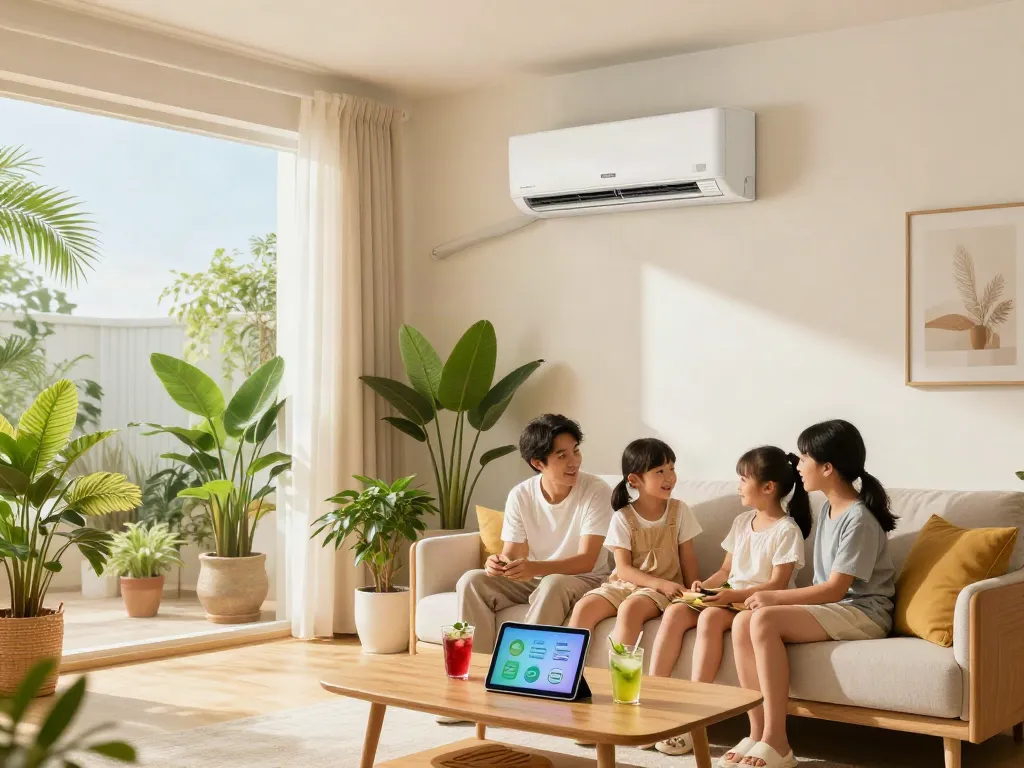
Understanding Mini Split Air Conditioners
Mini split air conditioners have become a popular choice for both residential and commercial spaces, offering a versatile solution for temperature control without the complexities of traditional HVAC systems. As the demand for energy-efficient and cost-effective cooling solutions rises, the mini split air conditioner stands out as a smart investment for many homeowners and business owners alike.
What is a Mini Split Air Conditioner?
A mini split air conditioner, also known as a ductless system, consists of an outdoor unit connected to one or more indoor units. The flexibility of this design allows for cooling or heating of specific rooms or areas without ductwork. This system operates using a refrigerant that transfers heat between the indoor and outdoor units, providing efficient cooling in the warmer months and heating during colder months. Its compact size makes it suitable for various applications from apartments to larger homes.
Key Components and Functionality
Understanding the key components of a mini split system is essential for effective usage and maintenance. The primary parts include:
- Indoor Unit: The part that is installed inside the living space, responsible for releasing conditioned air.
- Outdoor Unit: This unit contains the compressor and condenser and is typically installed outside the building.
- Refrigerant Lines: These insulated pipes connect the outdoor and indoor units, carrying refrigerant back and forth.
- Remote Control or Thermostat: Used to operate the indoor units, allowing users to set desired temperatures and modes easily.
Advantages Over Traditional Systems
Mini split air conditioners offer several benefits when compared to traditional HVAC systems, including:
- Energy Efficiency: They can be significantly more efficient, often operating on a SEER (Seasonal Energy Efficiency Ratio) rating that surpasses standard systems.
- Flexibility: Multiple indoor units can be connected to a single outdoor unit, allowing for zone cooling, which can be tailored to each room’s specific needs.
- Easy Installation: With no ductwork required, installation is typically quicker and less invasive than traditional central air systems.
- Enhanced Indoor Air Quality: Mini splits generally have better filtration systems, reducing allergens and improving overall air quality.
Energy Efficiency and Cost Savings
Energy efficiency is a critical factor in today's market, where rising energy costs and environmental concerns dictate consumer choices. Mini split air conditioners are designed to maximize energy efficiency, making them a financially wise choice.
How to Maximize Energy Efficiency
To ensure your mini split air conditioner operates at peak efficiency, consider the following tips:
- Regular Maintenance: Schedule annual professional check-ups to clean coils, replace filters, and ensure refrigerant levels are optimal.
- Smart Thermostats: Integrate a smart thermostat that can adjust temperatures based on occupancy or time of day.
- Proper Installation: Ensure that your unit is installed by a qualified technician to prevent leaks and inefficiencies.
Comparative Costs: Mini Split vs. Central AC
The initial costs of mini split systems can be higher than traditional central AC systems; however, the long-term savings can be substantial. Central AC systems require ductwork, which can result in higher installation costs and energy losses. In contrast, mini splits do not have ductwork, reducing both setup expenses and potential energy waste.
Long-term Savings and Environmental Impact
Mini splits not only save on utility bills due to their efficiency but also contribute to a smaller carbon footprint. As they consume less energy, they help reduce greenhouse gas emissions, making them an eco-friendly option for climate-conscious consumers. Furthermore, many localities offer incentives and rebates for installing energy-efficient systems, which can further lower initial expenditures.
Choosing the Right Mini Split Unit
Selecting the appropriate mini split system for your space involves multiple considerations. It's essential to analyze your needs and the specific attributes of available models.
Factors to Consider: Size and Capacity
Determining the right size and capacity for your mini split air conditioner is crucial for efficient operation. A unit that is too small will struggle to cool the space, while an oversized unit can lead to rapid cycling and inadequate dehumidification. Calculating the required BTU (British Thermal Units) based on your room size, insulation, and local climate will help ensure optimal performance.
Top Brands and Models in 2026
As of 2026, several brands are leading the mini split market, known for their innovation and reliability. Notable mentions include:
- Daikin: Celebrated for their energy efficiency and flexibility in design.
- Mitsubishi: Known for its durability and advanced technology integration.
- Fujitsu: Offers a wide range of models suitable for various needs and budgets.
- Senville: Provides affordable options without compromising performance.
Installation Options: DIY vs. Professional Services
While some homeowners may consider DIY installation to save on costs, it's generally recommended to hire professional services. Proper installation is critical for the longevity and efficiency of a mini split system. Professionals can ensure correct refrigerant levels, electrical connections, and structural integrity, ultimately leading to better performance and fewer operational issues.
Common Concerns and Solutions
Despite their popularity, potential users often have concerns regarding mini split systems. Addressing these concerns can help consumers make informed decisions.
Noise Levels: What to Expect
One common misconception is that mini splits are loud. In fact, modern models are designed to operate quietly, often producing noise levels comparable to a gentle hum. The noise level is typically measured in decibels (dB), and many units operate at levels as low as 19 dB indoors, making them suitable for bedrooms and other quiet spaces.
Maintenance Tips for Longevity
Regular maintenance is essential for keeping your mini split air conditioner running efficiently. Here are some tips:
- Clean or replace air filters monthly during peak usage.
- Inspect and clean indoor and outdoor coils annually.
- Check for and remove any debris around the outdoor unit to maintain airflow.
Addressing Misconceptions about Mini Splits
Many misconceptions about mini splits can deter potential buyers. Common myths include the belief that they are inefficient or overly complex. In reality, mini split systems are often more efficient than traditional options and can be easily controlled with modern remote systems and smart technology.
Future Trends in Mini Split Technology
The HVAC industry is continuously evolving, with mini split technology leading the charge towards smarter, more efficient systems. Emerging trends suggest that these units will become even more integrated with home automation systems, enhancing user experience and energy management.
Emerging Technologies for Better Performance
Innovations in inverter technology are helping mini splits achieve greater energy efficiency. Inverter-driven compressors adjust their speed according to cooling demands, resulting in lower energy consumption and more stable temperature control. Additionally, advancements in refrigerants are improving system efficiency while reducing environmental impacts.
Smart Technology Integration with Home Systems
The integration of smart technologies is another trend to watch. Many mini splits now offer compatibility with smart home devices, enabling users to control their systems through mobile apps or voice commands. This connectivity allows for optimal temperature management, energy usage tracking, and system diagnostics, making it easier to maintain efficiency.
Predictions for Mini Split Developments in 2026
By 2026, we can expect mini split systems to become even more energy-efficient, quieter, and user-friendly. With advancements in artificial intelligence and machine learning, these systems could learn consumer preferences, automatically adjusting settings based on usage patterns to maximize comfort and savings.
What are the benefits of a mini split air conditioner?
Mini split air conditioners offer numerous advantages, including energy efficiency, ease of installation, flexibility in zoning, better air quality, and lower operating costs over time, making them an attractive option for many consumers.
How much can I save with energy-efficient mini splits?
On average, users can save 30% to 50% on cooling costs compared to traditional central AC systems. Over the lifespan of the unit, these savings can be significant, especially in areas with high energy costs.
What size mini split air conditioner do I need?
The required size depends on several factors, including room dimensions, insulation levels, and local climate. A professional HVAC technician can perform a load calculation to determine the best capacity for your space.
How often should I maintain my mini split system?
It is advisable to check and clean filters monthly and schedule professional maintenance at least once a year to keep the system running efficiently and prolong its lifespan.
Are there any drawbacks to using mini split systems?
While mini split systems are efficient, they can have higher upfront costs than traditional AC systems. Additionally, they may require professional installation, which some homeowners may find inconvenient. Understanding these factors can help you make an informed decision.